From the Blog · College Grove, TN
Oven Temperature Inaccurate? How to Tell
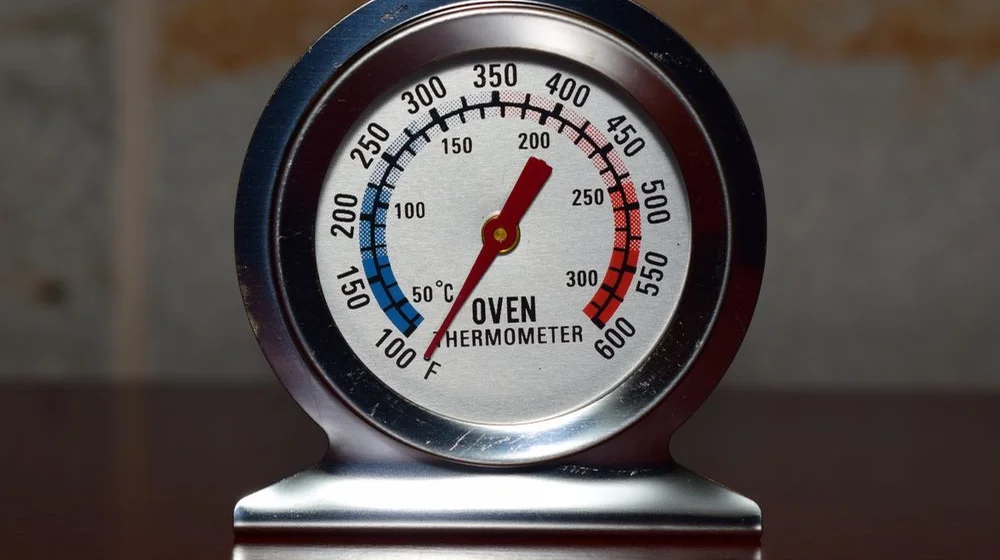
Ovens swing around their set point by design, so a single reading proves nothing. What matters is the average across a full cycle. An inexpensive oven thermometer and twenty patient minutes will tell you whether your oven truly runs hot or cold, and by how much, which is exactly the number a repair visit needs.

Test like a technician, not like a recipe
Set the oven to 350 degrees, place the thermometer in the center of the middle rack, and let the oven preheat fully plus ten minutes, because the walls need to heat-soak before readings mean anything. Then note the high and low points across two full cycles as the element or burner cuts in and out. Average the extremes: if the average sits within about 25 degrees of 350, the oven is behaving normally and recipe timing, pan choice or rack position is your variable.
If the average is off by a consistent amount, many ovens allow a calibration offset in the controls, and the manual or our oven repair page explains the idea. A consistent error is the good kind, because it is correctable.
The errors that mean a part is failing
An oven that drifts further off as it ages, reads differently every bake, or overshoots badly then sags has a sensor that is drifting out of its resistance range, or a control that is misreading a good sensor. Both are testable with a meter at known temperatures, and the sensor is the cheaper and more common fault.
Gas ovens add the igniter to the story: a weak igniter delays relighting each cycle, stretching the low side of every swing and lengthening bakes, which cooks experience as an oven that runs cold and slow. It also explains a faint gas smell at each relight. That is a gas appliance repair visit, not a calibration.

Before you call, gather the evidence
Write down your thermometer's high, low and average, the set temperature, and whether the error is consistent across two tests on different days. Bring that to the call. It turns a vague complaint into a targeted test plan and often shortens the visit, which is good for everyone involved.